
Understanding Hidden Leak Detection
Hidden leaks can pose a significant threat to homeowners, often leading to extensive water damage, mold growth, and costly repairs if left unnoticed. The challenge is compounded by the fact that these leaks typically occur behind walls, under floors, or in areas that are not regularly inspected. This is where advanced hidden leak detection techniques come into play, ensuring that potential issues are identified before they escalate into emergencies. In this article, we will delve into the intricacies of hidden leak detection, explore common causes of leaks, and highlight the importance of early detection.
What is Hidden Leak Detection?
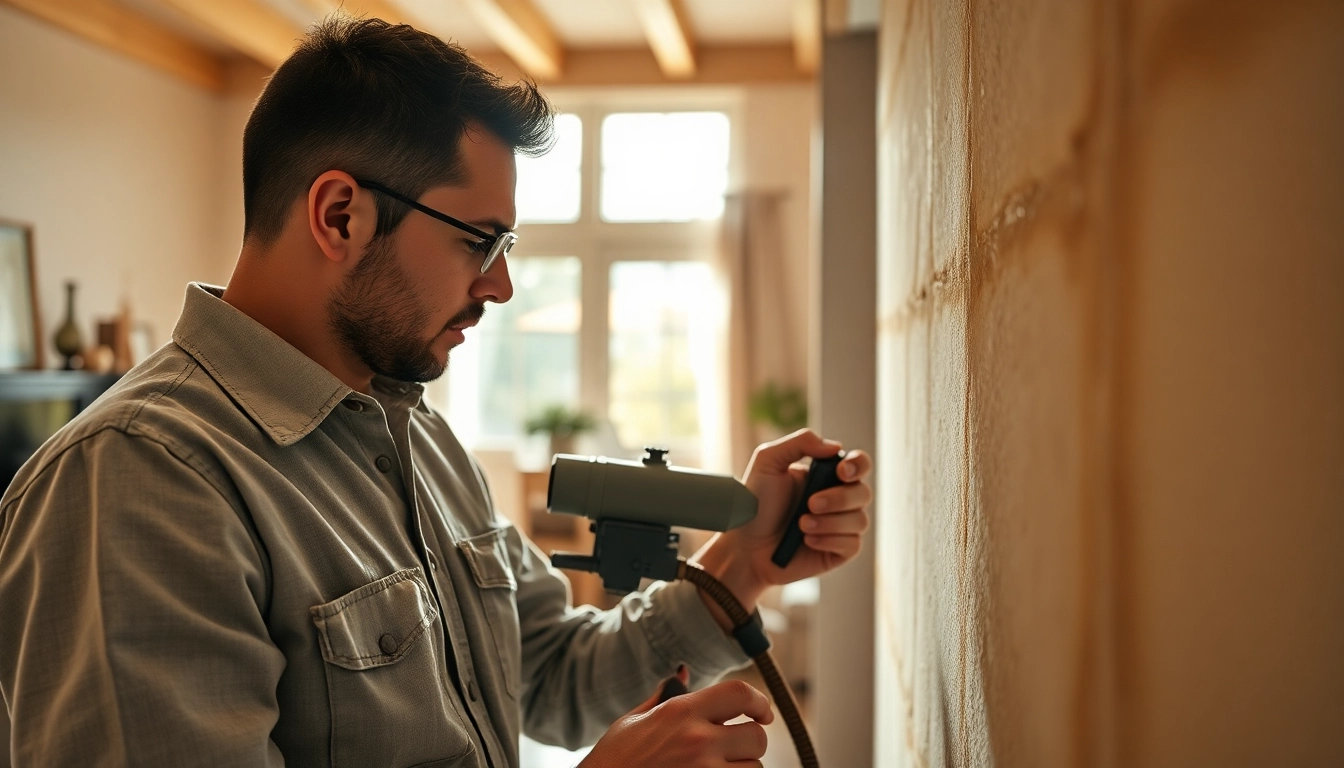
Hidden leak detection is the process of identifying water leaks that are not immediately visible to the naked eye. These leaks can occur in various locations, such as behind walls, under floors, or within plumbing systems. They are often subtle and can go undetected for long periods, leading to severe structural damage and high repair costs. Professional leak detection specialists utilize a variety of advanced technologies and methodologies to pinpoint these elusive leaks without causing significant disruption to your home.
Common Causes of Hidden Leaks
- Corroded Pipes: Over time, pipes can corrode due to age, poor water quality, or external factors. Corrosion can weaken pipes and eventually lead to pinhole leaks.
- Temperature Changes: Fluctuations in temperature can cause pipes to expand and contract, which may ultimately lead to leaks, especially in older plumbing systems.
- Improper Installation: Poorly installed plumbing fixtures or piping can lead to leaks, often detected only after significant damage has occurred.
- Tree Roots: For underground pipes, tree roots can infiltrate and damage the plumbing system, creating hidden leaks.
The Importance of Early Detection
Detecting leaks early can save homeowners from costly repairs and extensive damage. Water leaks can lead to the growth of mold, which poses health risks and requires specialized remediation efforts. Additionally, utility costs can rise significantly due to undetected leaks, impacting your overall budget. Utilizing professional leak detection services ensures that these hidden issues are identified and addressed swiftly, safeguarding your property and finances.
Advanced Technologies in Leak Detection
Today’s leak detection methods are more sophisticated than ever, employing cutting-edge technology to accurately identify the location of hidden leaks. These technologies allow for non-invasive inspections, minimizing disruption to your home while ensuring effective results. Some of the key technologies include:
Pressure Testing Explained
Pressure testing is a widely-used technique that involves isolating sections of plumbing to monitor pressure changes. By introducing air or water pressure into the system, technicians can identify drops in pressure, which indicate potential leaks. This method is particularly effective for detecting leaks in inaccessible areas of pipework.
Utilizing Thermal Imaging
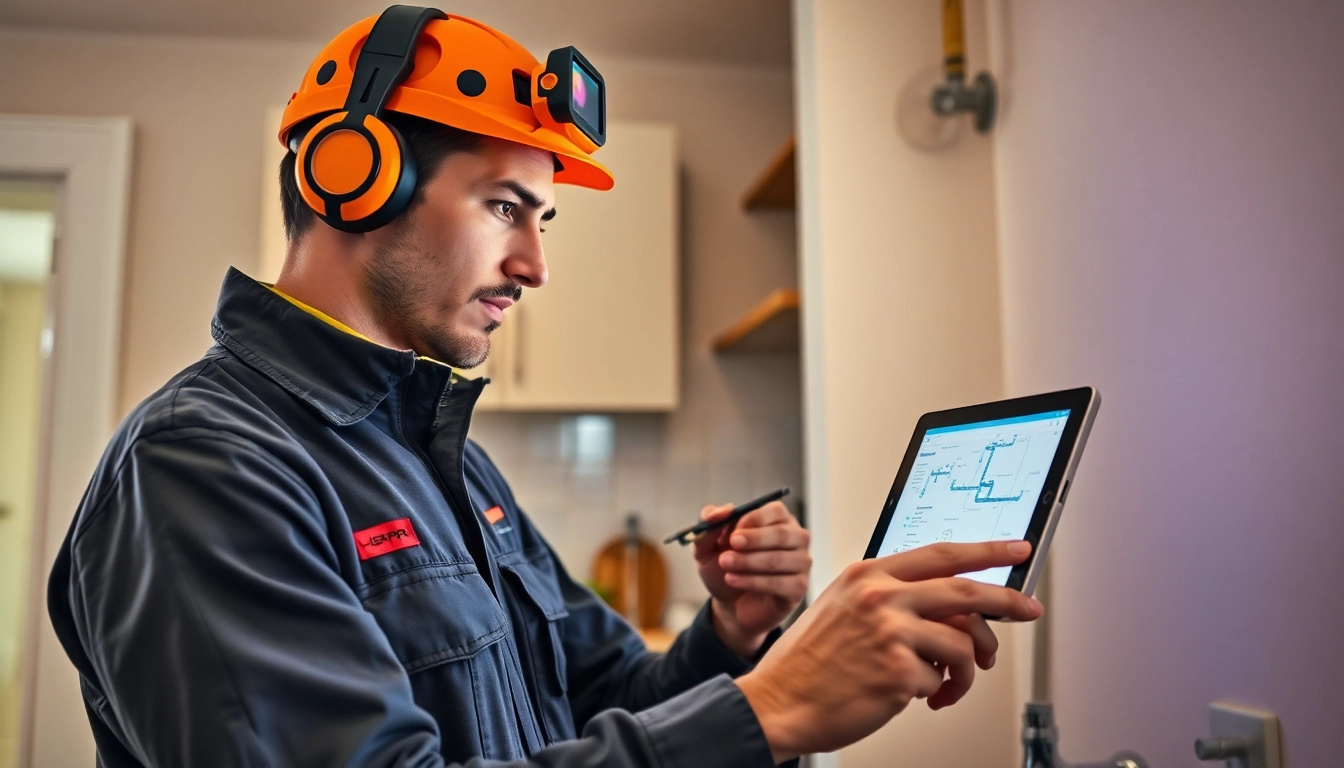
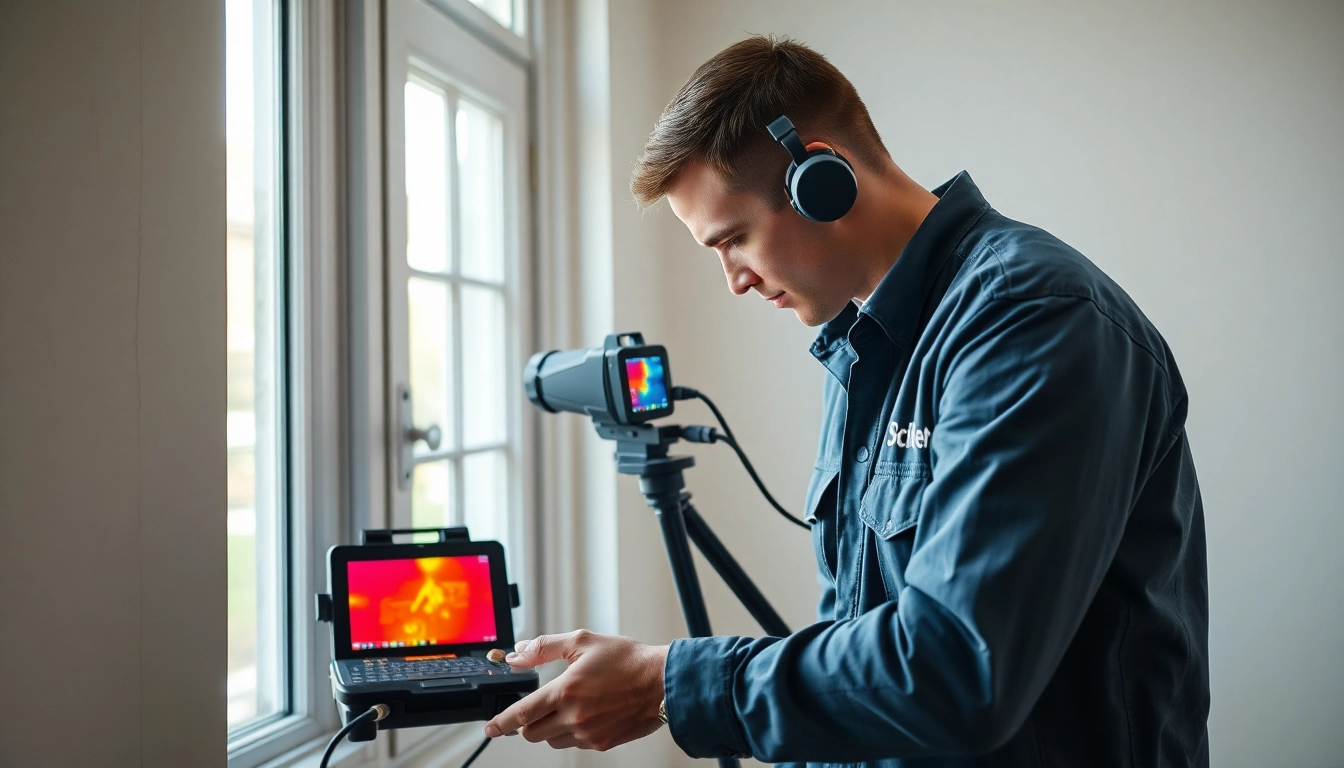
Thermal imaging cameras are invaluable tools for detecting hidden leaks. These cameras detect temperature variations on surfaces, which can indicate moisture presence behind walls or under floors. By identifying cooler areas that may harbor water leaks, technicians can quickly locate issues without invasive procedures.
Acoustic Listening Devices in Action
Acoustic listening devices amplify the sound of water escaping from pipes, allowing technicians to locate leaks even when they are buried underground. These devices pick up the sound of water flow that is not audible to the human ear, making them effective for detecting leaks in quiet environments.
Evaluating Your Home for Potential Leaks
As a homeowner, it is crucial to be vigilant about signs of water damage and potential leaks. Regular evaluations can help catch issues early and prevent extensive damage down the line.
Identifying Signs of Water Damage
- Water Stains: Look for discoloration on walls or ceilings, which is often a telltale sign of a leak.
- Damp Smells: Musty odors may indicate mold growth from hidden moisture.
- Peeling Paint or Wallpaper: This can be a sign of moisture accumulation behind surfaces.
- Unexplained Increases in Water Bills: A sudden spike could indicate a hidden leak.
Using DIY Methods to Locate Leaks
Homeowners can perform simple checks to identify potential leaks before calling in a professional. Checking your water meter for unusual readings or placing a few drops of food dye in the toilet tank can help identify leaks that may not be visible. Listening for the sound of running water in quiet areas of your home can also indicate a leak.
When to Call a Professional
If you suspect you have a hidden leak but cannot locate it through DIY methods, it’s time to call a professional leak detection service. Experts have access to advanced tools and technologies that can provide accurate assessments and solutions.
Best Practices for Leak Prevention
Preventing leaks before they occur is essential for maintaining a safe and efficient home. Here are some best practices for homeowners:
Regular Maintenance Tips for Homeowners
- Inspect your plumbing system regularly for signs of corrosion.
- Ensure that outdoor hoses and sprinkler systems are winterized to prevent freezing.
- Conduct routine checks of your water heater and other appliances that use water.
- Maintain proper drainage around your home’s foundation to prevent water pooling.
Upgrading Plumbing Systems
Older plumbing systems are more prone to leaks. Consider upgrading to modern, durable materials that are resistant to corrosion and damage. For instance, PEX piping is a popular choice due to its flexibility and resistance to freezing.
Using Smart Technology for Leak Detection
Smart home technology has also made it easier to monitor potential leaks. Devices that can alert homeowners to unusual moisture levels or water usage patterns can provide an early warning of leaks, allowing for prompt action.
The Future of Leak Detection Services
The leak detection industry is at the forefront of technological advancements, continually evolving to provide better services and solutions to homeowners.
Emerging Trends in 2025
As we move towards 2025, we expect to see greater integration of artificial intelligence and machine learning in leak detection services. These technologies can analyze data patterns to predict potential leaks before they occur. Additionally, remote monitoring solutions will continue to enhance the ability to detect leaks instantly, even when homeowners are away.
How Technology Will Revolutionize Leak Detection
The development of drones and advanced robotics may also play a role in assessing hard-to-reach areas, such as rooftops or underground pipe systems, making leak detection safer and more efficient.
Preparing for Environmental Changes
As climate change continues to impact weather patterns, homeowners should be prepared for increased rainfall and flooding. This can exacerbate the risk of leaks in older plumbing systems. Regular inspections and maintenance will be more critical than ever to avoid complications in the future.