
Understanding Computer Recycling Slough
What Is Computer Recycling?
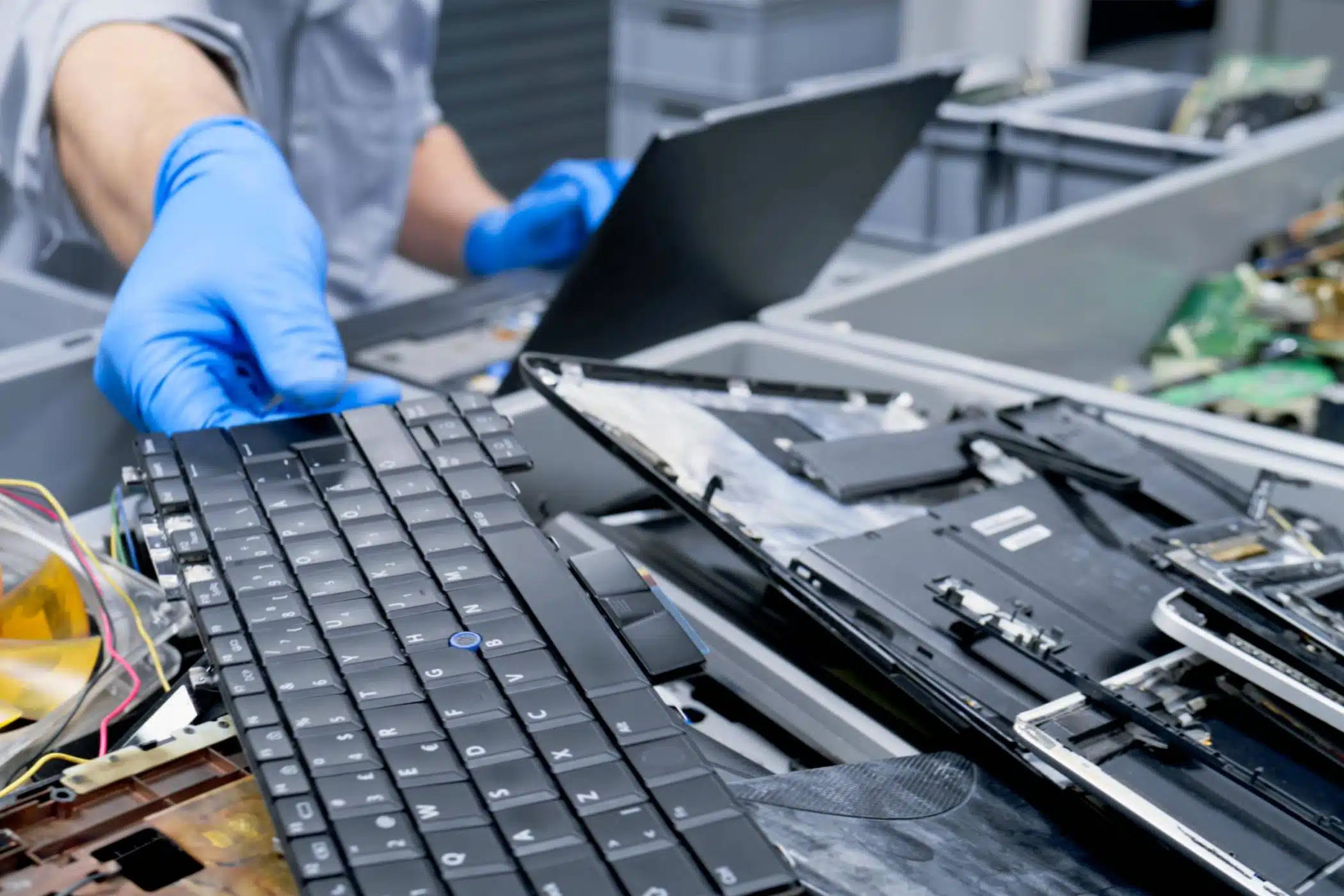
Computer recycling is the process of dismantling and recovering materials from obsolete or broken computers. This process involves a series of steps, including the safe disposal or reuse of components that are no longer functional. By recycling, valuable materials like metals, plastics, and glass can be salvaged and repurposed, significantly reducing environmental waste. computer recycling slough addresses the need for an effective and eco-friendly disposal method for electronic waste.
Importance of Recycling Electronics
The importance of recycling electronics cannot be overstated. As the number of electronic devices in use continues to grow, so does the volume of electronic waste, or e-waste. Proper recycling diminishes the dual challenge of resource depletion and environmental pollution. When electronic devices are thrown into landfills, they can leak harmful substances into the soil and water systems, posing significant health risks. Furthermore, recycling reduces the need for new materials, conserving natural resources and reducing energy consumption associated with manufacturing processes.
Environmental Impact of E-Waste
Electronic waste contains a mix of hazardous and non-hazardous materials. Many devices include lead, mercury, cadmium, and other toxic elements that can have dire effects on the environment if not handled appropriately. E-waste constitutes a major global challenge, with millions of tons generated each year. The environmental impact extends beyond local concerns, affecting global ecosystems. Combating this requires innovative recycling solutions that not only protect the environment but also encourage sustainable practices. By engaging in recycling efforts, communities can help mitigate the adverse effects of electronic waste.
Benefits of Computer Recycling Slough
Cost Savings for Businesses
One of the significant benefits of computer recycling for businesses is the potential for cost savings. Organizations can reduce disposal fees by recycling their used electronics, turning a liability into an asset. Not only does recycling help eliminate designated e-waste disposal charges, but it can also generate revenue if scrap materials are resold. Moreover, businesses can save on purchasing new materials by reusing components reclaimed during the recycling process, ultimately leading to reduced operational costs.
Data Security During Recycling
Data security is often a top concern for businesses when it comes to recycling electronic devices. It is crucial to ensure that sensitive information is thoroughly destroyed to prevent data breaches. Reputable recycling services offer comprehensive data destruction methods, including physical destruction of hard drives and secure data wiping processes to ensure that no recoverable information remains. These measures help businesses comply with regulatory requirements related to data protection and privacy, providing peace of mind during the recycling process.
Promoting Sustainable Practices
Engaging in computer recycling promotes sustainable practices within businesses and communities. By committing to responsible disposal of electronic waste, companies can improve their corporate social responsibility image. Additionally, actively participating in recycling initiatives demonstrates an organization’s commitment to environmental stewardship. Employees who are part of a culture that promotes sustainability become ambassadors for eco-friendly practices both in their workplaces and at home, creating a ripple effect that encourages broader community engagement.
How to Approach Computer Recycling Slough
Identifying Recyclable Materials
To approach computer recycling effectively, it is essential to identify which materials can be recycled. Most electronic devices such as computers, laptops, monitors, and mobile devices are recyclable. Additionally, peripherals like keyboards, mice, and cables should be included in the recycling program. Organizations can develop a comprehensive list of eligible items and train employees to recognize recyclable materials, ultimately streamlining the recycling process.
Preparing Electronics for Recycling
Before recycling electronics, it is vital to prepare devices for collection. This preparation may involve removing any personal or sensitive data, packing devices to prevent damage during transport, or sorting items based on material type. Organizations should work closely with local recycling programs to understand specific preparation requirements. Proper preparation ensures a smooth recycling process and maximizes the recovery rate of valuable materials.
Partnering with Local Services
Collaborating with local recycling services can enhance the effectiveness of recycling efforts. Organizations should research and partner with providers that comply with regulations and maintain a strong commitment to environmentally responsible practices. Establishing a relationship with local recycling centers can facilitate collection logistics, provide tailored recycling solutions for unique business needs, and create a sustainable loop connecting organizations with the community.
Best Practices for Computer Recycling Slough
Reporting and Tracking Recycled Items
Implementing a reporting and tracking system for recycled electronics can improve accountability and transparency within recycling initiatives. Organizations can maintain logs detailing the types and quantities of materials recycled, which provides useful insights into disposal habits and compliance with e-waste regulations. Tracking enables businesses to measure their recycling performance and spot opportunities for improvement in reducing waste.
Educating Employees on Recycling
Education is paramount for the success of any recycling program. Organizations should develop training programs to teach employees about the importance of recycling, the types of materials that can be recycled, and proper disposal methods. By creating awareness and understanding, employees are more likely to engage in recycling practices and promote sustainability within their organizations.
Incorporating Recycling into Business Strategy
Integrating recycling into business strategy goes beyond mere compliance; it can become a competitive advantage. Companies should evaluate their policies and processes concerning e-waste and explore ways to embed sustainability into their operations. This could involve setting recycling targets, partnering with other businesses on joint recycling initiatives, or launching community engagement programs. By prioritizing recycling, organizations can not only contribute to environmental protection but also foster a positive culture and enhance their brand value.
FAQs About Computer Recycling Slough
What items can be recycled?
Most electronics including computers, keyboards, monitors, and mobile devices are recyclable.
Is there a cost for recycling electronics?
Many local services offer free recycling; however, fees may apply for specialized pickups or data destruction.
How is my data protected during recycling?
Reputable recyclers provide data destruction services to ensure your information is securely wiped or destroyed.
What happens to recycled components?
Recyclables are processed to recover materials like metals and plastics for reuse in new products.
Can businesses recycle bulk electronics?
Yes, many services cater to businesses for large pickups, often providing tailored solutions for e-waste disposal.