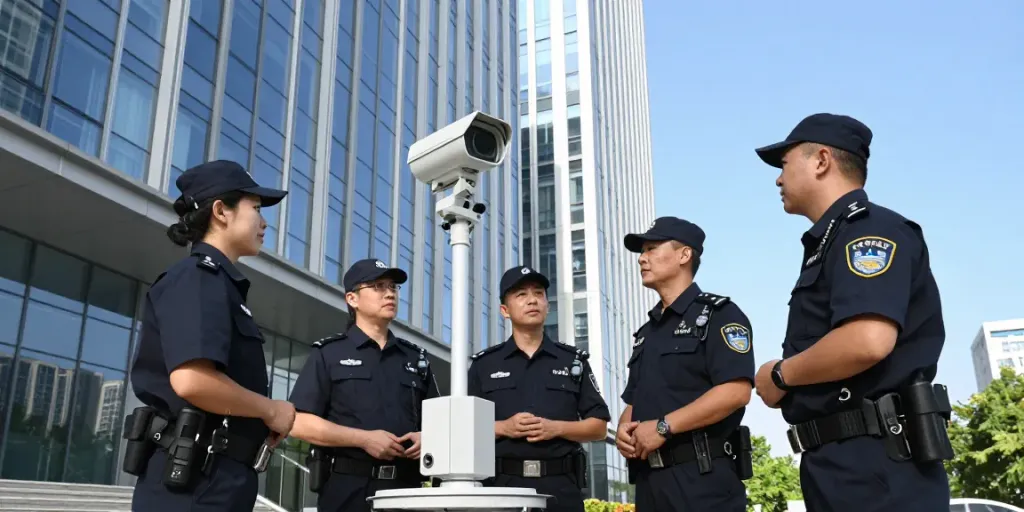
Understanding Local Security Services
In an ever-evolving landscape of safety and security, choosing a reliable security service is essential for homeowners and businesses alike. Private security companies like Secure On Site Security stand at the forefront of this industry, delivering tailored solutions to meet the diverse needs of their clientele. When exploring options, Security Services provide comprehensive insights into building a safer environment. This article will guide you through essential considerations when selecting a security provider in London, exploring various services, costs, compliance, and support structures.
What Makes a Top-Rated Security Service?
Among the numerous security companies vying for your attention, identifying top-rated services can be a daunting task. A high-quality security service often encompasses several critical elements:
- Accreditations and Certifications: Services should comply with local regulations and have requisite certifications, such as SIA licenses and NSI Guarding Gold status.
- Experienced Personnel: Staff training and experience are key—security professionals should be well-versed in conflict management, emergency response, and regulatory compliance.
- Technology Integration: Utilizing surveillance systems, access control measures, and other technology can enhance security effectiveness.
- Client-Centric Approach: Companies that prioritize client consultations and customized security solutions tend to foster stronger relationships.
Types of Security Services Offered in London
Choosing the right type of security service is essential depending on specific needs. Various options are available:
- Event Security: Proper security for events includes crowd management, access control, and emergency plans to create a safe environment.
- Retail Security: Retail environments often require loss prevention strategies, including manned guarding and surveillance to mitigate theft.
- Residential Security: Homeowners can benefit from services like round-the-clock surveillance, access control, and rapid response units.
- Corporate Security: Corporate environments demand tailored services that often include risk assessments, monitoring, and incident response.
Benefits of Hiring Licensed Professionals for Your Security Needs
Engaging licensed and certified security professionals provides numerous benefits, including:
- Legal Compliance: Licensed providers meet local regulations, ensuring peace of mind for clients.
- Insurance Coverage: Professional services offer liability insurance, protecting clients from potential financial losses.
- Expertise and Training: Training and experience are critical factors that enhance the effectiveness of security operations.
Choosing the Right Security Company in London
Selecting the right security company is vital to ensure that clients receive the safeguards they need to protect their property and assets effectively. This process involves considering specific factors that set apart trustworthy providers from the rest.
Key Factors When Selecting a Security Provider
When looking for a security provider in London, consider the following factors:
- Reputation: Research online reviews, testimonials, and case studies to gain insights into the company's reliability.
- Experience: Look for companies with a proven track record in providing high-quality security services.
- Service Range: Ensure that the company offers a variety of services — from manned guarding to technological solutions — that fit your specific needs.
Questions to Ask a Potential Security Company
When interviewing potential security providers, you should focus on the following inquiries:
- What types of security services do you specialize in?
- Can you provide references or case studies from previous clients?
- What training do your security personnel undergo?
- How do you handle emergency situations and incident reporting?
Importance of Client Reviews and Testimonials
Client reviews serve as an invaluable resource when selecting a security company. They provide insight into the experiences of past clients and can highlight the company’s strengths and weaknesses. Look for consistent positive feedback regarding reliability, professionalism, and responsiveness.
Cost Breakdown of Security Services
The cost associated with hiring security services varies widely based on several factors, including service complexity, duration, and the specific requirements of the client.
Average Pricing for Security Services in London
Typically, here are the price ranges you can expect:
- Basic Security Services: Between £12-£20 per hour for basic security guard services.
- Event Security: Costs can range from £20 to £35 per hour based on the event size and requirements.
- Specialized Services: Close protection or executive security can often range from £30 to £75 per hour, depending on the level of risk and expertise involved.
Understanding Different Pricing Models
Security companies may adopt different pricing models based on the comprehensiveness of services provided:
- Hourly Rates: This model is widely used and allows flexibility for short-term assignments.
- Contract Rates: Longer-term arrangements often come at a discounted rate, ideal for ongoing security needs.
- Custom Quotes: Companies may offer tailored pricing based on unique client requirements, especially for larger projects.
Emergency Services: What to Expect Cost-Wise
When engaging emergency security services, clients should be prepared for higher fees, particularly if coverage is required outside typical hours. Factors influencing cost include:
- Service availability during holidays or weekends
- Response times expected for critical incidents
- Equipment and technology used during emergency response
Licensing and Insurance for Security Companies
To ensure professional standards, security service providers must hold the necessary licenses and insurance to operate legally and safely.
Essential Licenses Your Security Provider Must Have
In the UK, security companies must be licensed by the Security Industry Authority (SIA). The SIA is responsible for ensuring that all personnel meet stringent training and vetting requirements. Verify that the company you choose holds the appropriate licenses.
Importance of Insurance in Security Services
Insurance is crucial as it provides coverage against potential liabilities. Security companies should hold:
- Public Liability Insurance: Protects against claims for injury or damage to third parties.
- Employers’ Liability Insurance: Required by law in the UK and provides coverage against employee injuries during work.
Compliance with Local Regulations and Standards
Engaging a security company compliant with local regulations and standards ensures effective service delivery. Companies should routinely undergo audits to maintain their accreditation and prove their commitment to excellence.
Customer Support and Emergency Availability
A critical aspect of security services lies in their customer support and emergency responsiveness.
Importance of 24/7 Support for Security Services
Having access to round-the-clock support ensures that clients can get help during crises or emergencies. Your security provider should have clear protocols in place for responding to urgent client needs at any time of day.
How to Access Emergency Response Services
Understanding how to contact your security provider during emergencies is essential. Clear emergency protocols should be established, detailing how to reach your security representative and what actions to take during an incident.
Guarantee and Warranty Information for Security Solutions
Companies often provide warranties or guarantees for their services. For more information, Security Services offers valuable insights. Be sure to clarify:
- What aspects of the service are covered under warranty?
- The duration of the warranty period and the process for claims.
- What actions are taken if the service does not meet expected standards?