A modern Smart Home is no longer a futuristic concept reserved for technology enthusiasts. Today, it has become a practical, accessible way for everyday homeowners and renters to improve comfort, security, and energy efficiency. At Deep Dive Picks, we understand that setting up a Smart Home for the first time can feel overwhelming. With countless devices, platforms, and technical terms, beginners often struggle to know where to start. This guide is designed to give you a clear, professional, and detailed roadmap to building a reliable Smart Home from the ground up, while avoiding common mistakes and ensuring long-term performance.
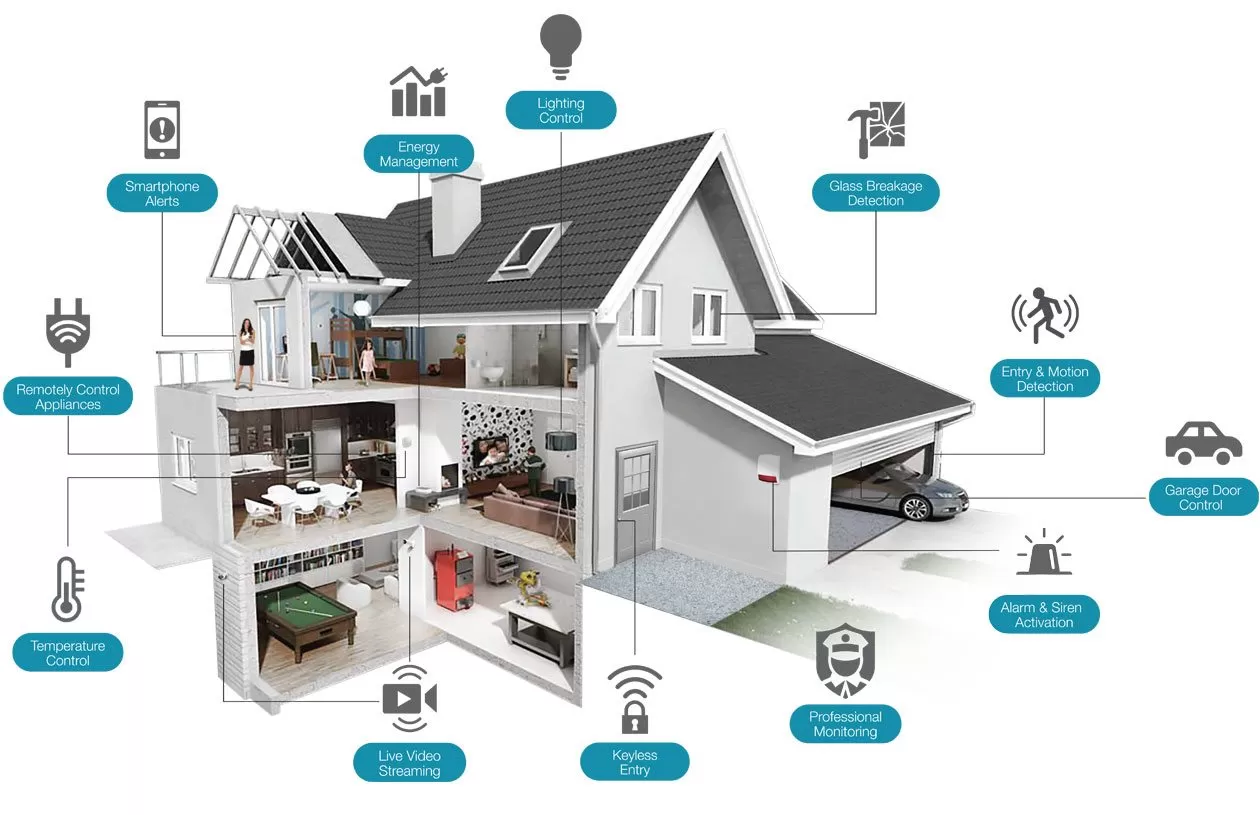
The goal of a Smart Home is to connect everyday devices to a centralized system that allows you to control them remotely or automatically. Lights, thermostats, door locks, cameras, speakers, and even kitchen appliances can communicate through your home network. When correctly set up, a Smart Home becomes intuitive, learning your preferences and making everyday routines more efficient and enjoyable.
Understanding What a Smart Home Really Is
A Smart Home is built around the concept of connected living. It uses Wi-Fi, Bluetooth, and sometimes specialized protocols to let devices talk to each other. This means your lights can turn off automatically when you leave, your thermostat can adjust itself based on outdoor weather, and your door can lock itself if you forget. For first-time users, understanding this ecosystem is essential before investing in hardware.
At its core, a Smart Home works through a central controller, usually called a hub or controller platform. This could be a smart speaker with built-in control features or a dedicated hub device. The controller sends instructions to connected devices and allows you to manage everything through a smartphone app.
Planning Your Smart Home Setup from Scratch
Before buying any devices, proper planning is critical for a successful Smart Home. First-time users should consider the size of the home, the quality of internet coverage, and personal lifestyle needs. A small apartment might only need a few smart lights and plugs, while a large home may require advanced routers, mesh networks, and multiple automation routines.
When planning your Smart Home, start by identifying your main goals. Some users want better security, while others focus on energy savings or entertainment. Defining your priorities helps prevent unnecessary spending and ensures your Smart Home grows in a structured way.
Another essential step is evaluating your current Wi-Fi network. A weak connection can cause lag, dropped devices, and unreliable performance. A stable, high-speed internet connection is the backbone of any successful Smart Home.
Choosing the Right Smart Home Ecosystem
A first-time Smart Home user must choose a primary ecosystem. This is the platform that will manage and connect all devices. Leading ecosystems allow centralized control through voice commands and mobile apps.
Compatibility plays a huge role in long-term satisfaction. When building a Smart Home, it is important to select devices that work seamlessly within the same ecosystem. Mixing incompatible products often results in unreliable automation and limited control features.
The best practice is to commit to one core system from the beginning. This ensures that new devices added later will integrate smoothly, creating a stable and scalable Smart Home experience.
Essential Smart Home Devices for Beginners
Your first Smart Home setup should focus on essential, high-impact devices. Smart lighting is often the easiest starting point. It allows you to control brightness, color temperature, and schedules directly from your phone or voice commands.
Smart plugs are another foundational device. They transform traditional appliances into connected devices and are perfect for lamps, fans, and coffee machines. With smart plugs, a Smart Home becomes flexible and highly customizable without replacing existing hardware.
Smart thermostats are also popular among first-time users. These devices learn temperature preferences and automatically adjust heating and cooling for comfort and efficiency. Over time, they significantly reduce energy waste, making a Smart Home more cost-effective.
Setting Up Your Home Network for Smart Home Performance
A strong and secure network is critical for a reliable Smart Home. First-time users should invest time in configuring their router, updating firmware, and optimizing placement. Placing the router in a central location ensures consistent coverage across all rooms.
In larger homes, mesh Wi-Fi systems can dramatically improve Smart Home performance. These systems use multiple access points to create a seamless wireless network, eliminating dead zones that could interrupt device communication.
Security must never be overlooked. Using strong passwords, enabling encryption, and activating two-factor authentication helps protect your Smart Home from unauthorized access.
Installing and Connecting Smart Home Devices Correctly
The installation process is where many beginners feel intimidated, but modern Smart Home devices are designed to be user-friendly. Most devices connect through simple step-by-step mobile apps that guide you through the process.
Each device should be powered on, placed in pairing mode, and added to your chosen ecosystem. Consistency is important. Using the same network name and password across all devices helps maintain a stable Smart Home environment.
Labeling devices clearly inside your app is another professional tip. Instead of generic names, use practical labels like “Living Room Lamp” or “Kitchen Speaker” to make voice commands and automation easier inside your Smart Home.
Creating Smart Home Automations for Daily Life
Automation is what transforms simple connected devices into a true Smart Home. Automations allow devices to perform actions based on time, location, or triggers. For example, lights can turn on automatically at sunset, or the thermostat can adjust when you leave home.
First-time users should start with simple routines. Gradually increasing complexity ensures reliability while building confidence. A well-designed Smart Home automation system reduces manual effort and improves daily comfort without causing frustration.
Over time, machine learning features in certain devices will adapt to your habits, making the Smart Home feel more intuitive and personalized.
Voice Control and Hands-Free Smart Home Operation
Voice assistants are central to a modern Smart Home. They allow hands-free control over lighting, temperature, music, and security. For first-time users, setting up voice control creates an immediate sense of convenience and futuristic living.
To maximize effectiveness, devices should be placed strategically. Smart speakers placed in common areas like living rooms and kitchens ensure that voice commands are easily heard and processed within your Smart Home.
Training your voice assistant by using clear, consistent command patterns improves accuracy. This makes your Smart Home not only functional but highly enjoyable to use daily.
Smart Home Security and Safety Considerations
Security is one of the most valuable aspects of a Smart Home. Smart cameras, doorbell cameras, and smart locks provide real-time monitoring and remote access. These devices offer peace of mind and enhanced protection for your household.
First-time users should always enable device notifications. Alerts for unusual movements, door openings, or package deliveries make a Smart Home responsive and proactive.
Privacy settings must be reviewed carefully. Every Smart Home device should be configured to store data securely, limit unnecessary data sharing, and comply with your personal comfort level.
Troubleshooting Common Smart Home Problems
No Smart Home setup is perfect from day one. Connectivity issues, delayed responses, and device miscommunication can occur, especially for beginners. The key is understanding that most problems are related to network strength or outdated firmware.
Restarting your router and devices often resolves minor glitches. Regularly updating device firmware ensures better performance and security across your Smart Home.
Another common issue is overcrowding your network. Too many devices on a weak router can cause lag. Upgrading network hardware can significantly enhance your Smart Home experience.
Expanding Your Smart Home Over Time
A Smart Home should be viewed as a growing ecosystem rather than a one-time setup. Once the basics are stable, users can expand into smart blinds, robotic vacuums, smart refrigerators, and advanced security systems.
The key to successful expansion is maintaining compatibility. Always check integration support before adding new devices to your Smart Home.
Gradual expansion also allows you to test performance and avoid overwhelming yourself with too many changes at once. This approach keeps your Smart Home efficient and enjoyable.
Energy Efficiency and Smart Home Sustainability
One of the most powerful advantages of a Smart Home is energy efficiency. Smart thermostats, lighting schedules, and real-time energy monitoring help reduce unnecessary power usage.
First-time users often notice a reduction in utility costs after setting up a Smart Home correctly. Automated temperature control and intelligent lighting ensure that energy is only used when needed.
Sustainability is not just about saving money. A well-optimized Smart Home reduces environmental impact and promotes responsible energy consumption.
Smart Home Maintenance for Long-Term Performance
Maintenance is essential to keep your Smart Home running smoothly. Regularly checking device connections, cleaning hardware, and reviewing automation rules prevents performance degradation.
Creating a monthly routine for checking updates and system health can make a significant difference. Just like any technology system, a Smart Home benefits greatly from proactive care.
Proper maintenance ensures that your Smart Home remains reliable, secure, and enjoyable for years to come.
Expert Tips for First-Time Smart Home Users
At Deep Dive Picks, we recommend that beginners focus on stability before complexity. Mastering basic features builds confidence and ensures your Smart Home functions as intended.
Consistency in brand selection, network configuration, and device labeling makes management significantly easier. Over time, your Smart Home will become a natural part of your daily life rather than a technical challenge.
Patience is also an expert-level strategy. A Smart Home is a learning process, and every small improvement contributes to a smoother, more efficient living environment.
The Future of Smart Home Technology
The Smart Home industry continues to evolve rapidly. Artificial intelligence, advanced sensors, and predictive automation are becoming standard features. First-time users who adopt a strong foundation today will be well-positioned to benefit from future innovations.
Voice recognition is becoming more personalized, and devices are gaining the ability to understand complex routines. This means your Smart Home will not only respond to commands but anticipate your needs.
Staying informed through trusted platforms like Deep Dive Picks ensures your Smart Home remains up to date and optimized for future advancements.
Conclusion
Building your first Smart Home is a highly rewarding journey that combines convenience, security, and efficiency into one seamless living experience. With proper planning, the right ecosystem, a strong network, and thoughtful device selection, even beginners can create a powerful and reliable Smart Home. At Deep Dive Picks, we believe that informed decisions lead to better technology experiences, and this guide is designed to help you build a Smart Home that is both practical and future-proof. By focusing on stability, security, and gradual expansion, your Smart Home will continue to evolve alongside your lifestyle. You’ll find more useful information on our main page.
Frequently Asked Questions
What is the first device I should buy for a Smart Home?
The best first device for a Smart Home is usually smart lighting or a smart plug because they are easy to install, affordable, and provide immediate convenience without complex setup.
Do I need a hub to set up a Smart Home?
Not all Smart Home devices require a hub, but having a central controller can significantly improve reliability and expand automation capabilities for advanced setups.
Is a Smart Home safe from hacking?
A properly secured Smart Home is very safe when strong passwords, encrypted networks, and regular firmware updates are used consistently.
Can I install a Smart Home in a rented apartment?
Yes, a Smart Home can be easily set up in rented spaces using non-invasive devices such as smart bulbs, plugs, and portable cameras that do not require permanent modifications.
How much does it cost to build a Smart Home?
The cost of a Smart Home varies based on the number of devices and level of automation, but first-time users can start with a modest budget and expand gradually over time.