
What is Fire Risk Assessment Cost?
Definition and Importance
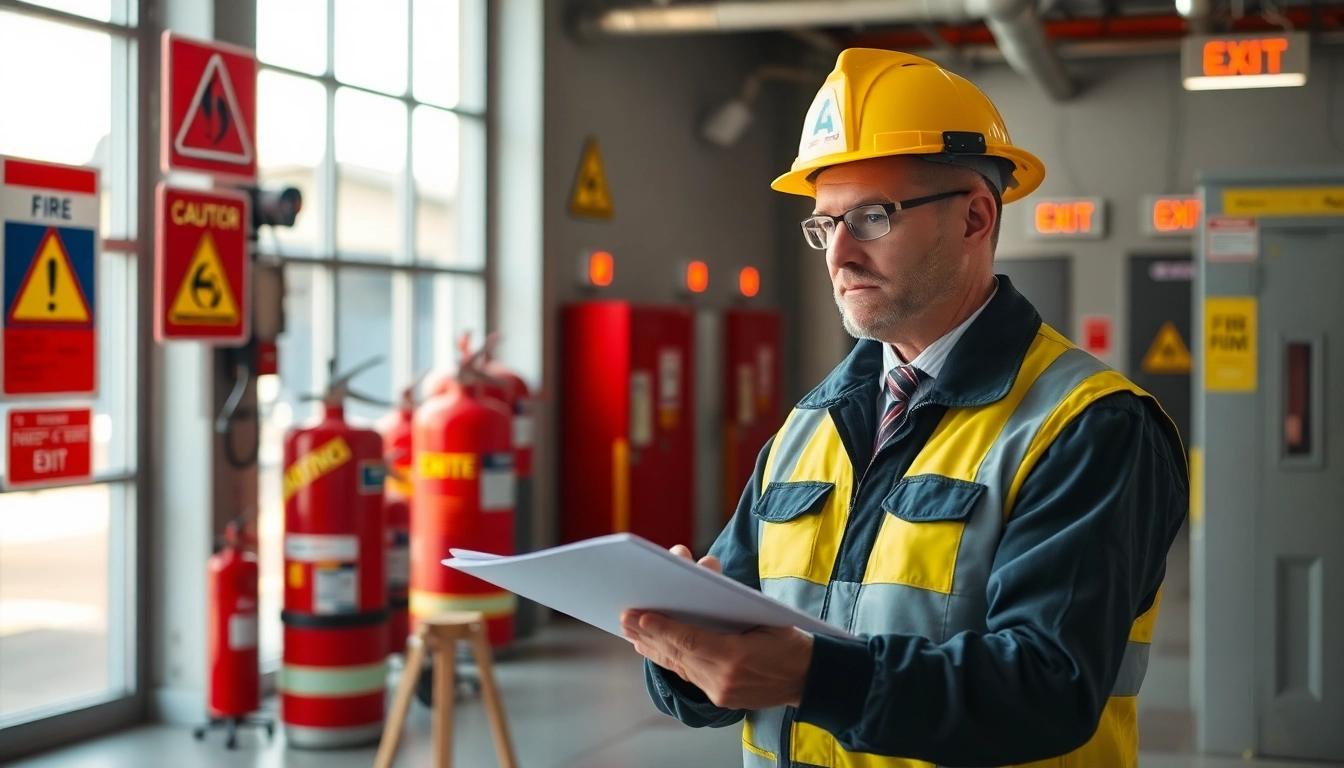
When we talk about fire risk assessment cost, we refer to the financial investment necessary to evaluate and mitigate the risk of fire hazards within a property. A fire risk assessment is a systematic evaluation of a building’s fire safety measures and potential risks. The importance of these assessments cannot be overstated; they help property owners and managers comply with legal obligations, safeguard lives, and protect property. Moreover, they play a crucial role in minimizing the risks associated with potential fire incidents.
Key Components of Cost
The fire risk assessment cost can vary considerably based on several factors. Key components that influence these costs include:
- Size of the Property: Larger properties may require more extensive assessments, leading to higher costs.
- Type of Assessment: Comprehensive risk assessments are usually costlier than preliminary appraisals.
- Expertise Required: Hiring highly qualified professionals may increase costs but ensures thorough evaluations.
Typical Pricing Models
Pricing models for fire risk assessments can differ based on industry standards. Some common pricing structures include:
- Flat Fee: A set fee for specific assessment services.
- Hourly Rate: Professionals charge by the hour, which can add to total costs depending on the complexity of the assessment.
- Per Square Foot: Some providers may charge based on the total square footage of the property, particularly for commercial spaces.
Factors Affecting Fire Risk Assessment Cost
Size and Complexity of Property
The size and complexity of a property are primary determinants of the fire risk assessment cost. Larger buildings generally have more complex fire safety needs, requiring more in-depth evaluations. Simplistic structures may only need a basic assessment. Additionally, specialized facilities—like hospitals or factories—demand more expertise, which further drives up costs.
Type of Assessment Required
Different types of assessments come with varying levels of detail and associated costs. For instance, a simple visual inspection will be less expensive than a detailed evaluation that includes testing fire alarm systems, emergency lighting, and reviewing all safety equipment. The deeper the analysis required to ensure compliance, the higher the price.
Geographic Location Considerations
Location significantly influences fire risk assessment costs. Urban areas with higher living costs typically see elevated prices due to increased overheads for services. Conversely, rural locations might have lesser costs, although availability and expertise could be limited. Local regulations and standards may also vary, further affecting pricing.
How to Estimate Your Fire Risk Assessment Cost
Gathering Initial Data
Begin the estimation process by compiling relevant data about your property. This includes architectural plans, any previous risk assessments, and a list of current fire safety measures. Understanding your building’s layout and specific hazards will enable professionals to provide a more accurate cost estimate.
Requesting Quotations from Experts
Once you have gathered the necessary data, reach out to several qualified fire safety experts. Request comprehensive quotations that detail what assessments will be conducted and what costs are associated with each component. This will give you a clearer picture of the potential fire risk assessment cost.
Comparing Services Effectively
Upon receiving multiple quotes, compare them carefully. Look beyond the price—evaluate the scope of services covered, any additional fees, and the expertise of the professionals involved. A lower price might not always translate to better value if the service quality and comprehensiveness are compromised.
Cost-Saving Tips for Fire Risk Assessments
Conducting Preliminary Self-Assessments
Before hiring a professional, consider performing a preliminary self-assessment. Identify visible hazards such as blocked exits, outdated fire alarms, or inadequate emergency lighting. Documenting potential issues can provide professionals with a clearer starting point, potentially reducing costs.
Understanding Your Fire Safety Obligations
Being well-versed in your legal obligations regarding fire safety can help you understand the necessity and scope of assessments better. Knowledge of regulations can guide your decisions on frequency and depth, possibly affecting overall assessment costs.
Choosing the Right Service Provider
Selecting a reputable and experienced fire safety professional can significantly impact your assessment cost. Look for providers with proven track records and positive reviews from past clients. A well-qualified expert may save you money in the long run by minimizing risks and avoiding costly compliance issues.
Frequently Asked Questions About Fire Risk Assessment Cost
What factors influence fire risk assessment cost?
Costs are influenced by property size, complexity, and specific assessment types required.
How often should fire risk assessments be conducted?
Annual assessments are recommended, but frequency may vary based on regulations and property use.
Can I perform a fire risk assessment myself?
While preliminary assessments can be done, professional expertise ensures compliance with standards.
Are there any regulations regarding fire risk assessment costs?
Yes, regulations may dictate the frequency and depth of assessments based on building usage and occupancy.
What are common services included in a fire risk assessment?
Services often include evaluation of existing safety measures, hazard identification, and recommending improvements.