
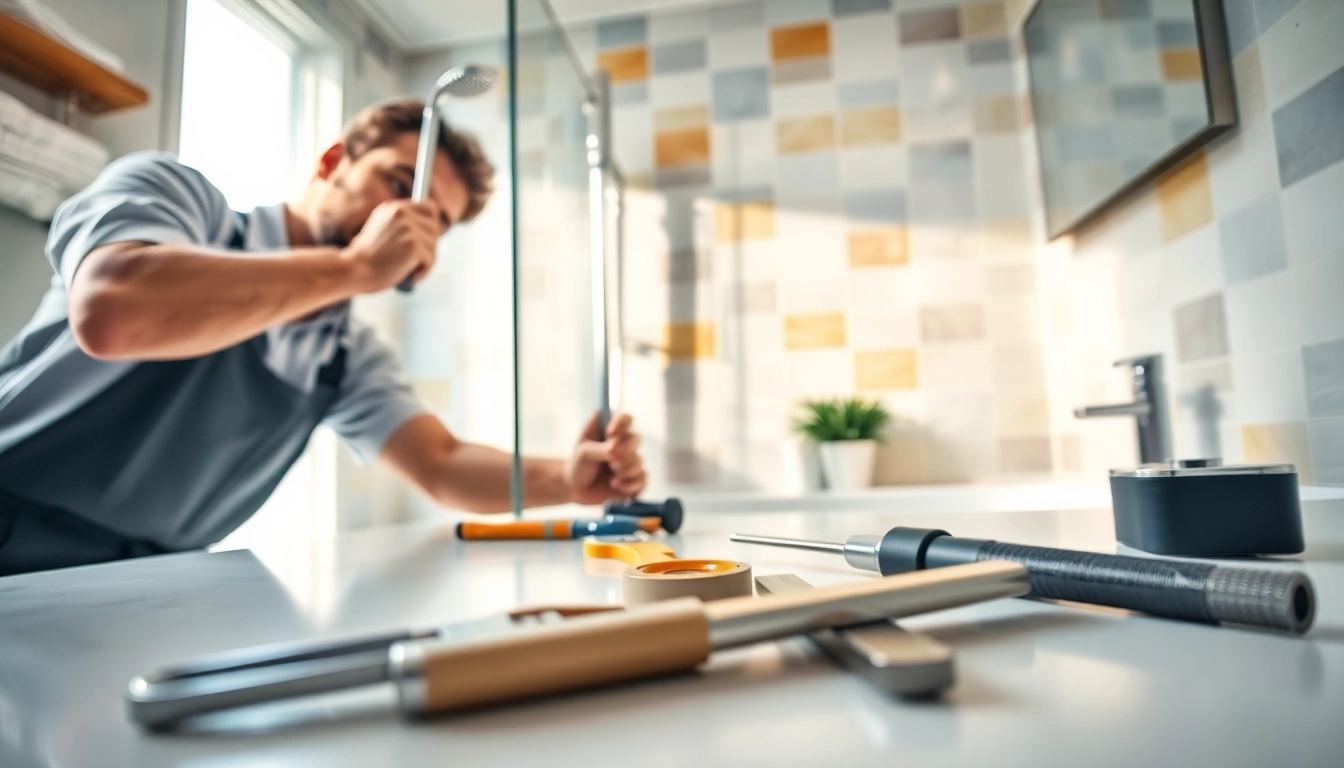
Understanding Shower Not Working Issues
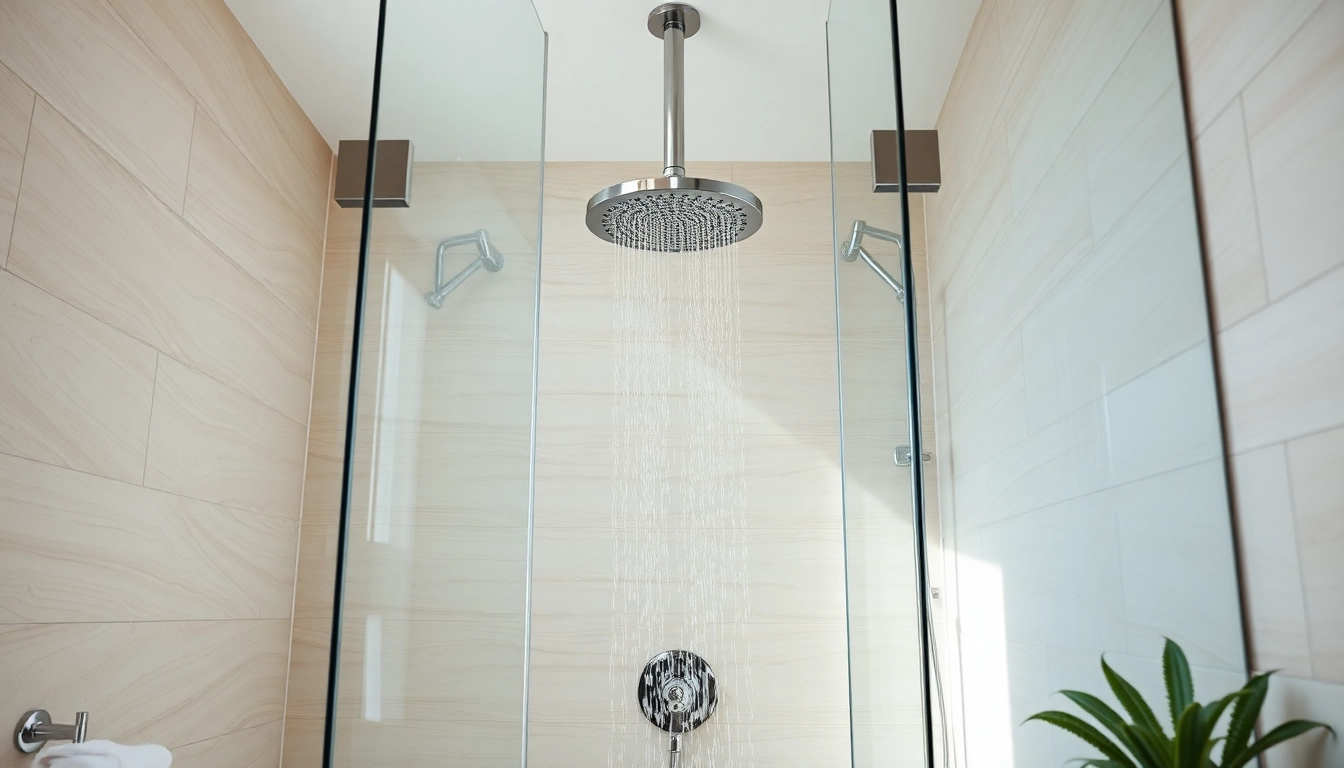
One of the most frustrating experiences in any home is discovering that your shower is not working. This issue can disrupt your daily routine and lead to a lot of inconvenience. Whether it’s a sudden loss of water pressure, inconsistency in temperature, or even a complete cessation of water flow, understanding the nature of these problems is essential. In this guide, we will explore the symptoms of shower issues, identify their root causes, and determine when it’s time to seek professional help. If you suspect your shower not working, keep reading to discover how to get your bathroom back in functional order.
Common Symptoms of Shower Problems
There are several signs that indicate your shower may not be functioning correctly. Recognizing these symptoms early can save you time and prevent further damage. Here are some common issues to watch for:
- Low Water Pressure: If the water flow is weak or inconsistent, it can lead to an unpleasant shower experience.
- Sudden Temperature Changes: Experiencing extreme fluctuations in water temperature can indicate a problem with your plumbing or shower system.
- Debris & Sediment: Noticeable rust, dirt, or mineral buildup in the showerhead or faucet can signal a clog or a water quality issue.
- Leakage: Water pooling around the shower area or dripping from pipes can indicate a leak that needs immediate attention.
- Odd Noises: Strange sounds, such as banging or hissing from pipes, may point to issues within your plumbing system.
How to Identify the Root Causes
Understanding the symptoms is the first step, but identifying the root cause of these problems is crucial for effective solutions. Here are some common culprits:
- Clogged Showerhead: Mineral deposits can obstruct the flow of water.
- Faulty Valve: A malfunctioning valve can restrict water supply or cause erratic temperature changes.
- Piping Issues: Corroded, damaged, or improperly installed pipes can lead to various water flow problems.
- Water Supply Problems: If your building or neighborhood experiences supply issues, it might affect your shower’s performance.
- Pressure Regulators: A malfunctioning pressure regulator may cause imbalances in water pressure.
When to Seek Professional Help
While some shower issues can be resolved with DIY fixes, others may require professional intervention. Here are indicators that it’s time to call a professional:
- You’re unable to identify or resolve the issue after troubleshooting.
- There is extensive leakage or damage to the plumbing.
- Multiple faucets in your home are experiencing similar problems, indicating a possible larger system issue.
- The issue persists despite changing parts or performing maintenance.
- You’re uncomfortable performing plumbing work or lack the necessary tools and skills.
DIY Fixes for Shower Not Working
Sometimes, the best solution for a shower malfunction is to take matters into your own hands. With the right tools and knowledge, you can tackle many common shower issues. Here’s how to get started.
Tools and Materials Needed
Before initiating any repairs or troubleshooting, ensure you have the following tools and materials on hand:
- Adjustable Wrench
- Screwdriver Set
- Plumber’s Tape
- Bucket or Container
- Cleaning Supplies (vinegar, brushes, etc.)
Step-by-Step Troubleshooting Guide
Follow these steps to diagnose and potentially fix your shower issues:
- Check the Water Supply: Ensure that the main water valve is fully open.
- Inspect the Showerhead: Remove the showerhead and clean it to eliminate mineral buildup.
- Examine the Valve: Disassemble the valve and check for any signs of wear or blockages. Replace any damaged parts as needed.
- Test the Water Pressure: Use a pressure gauge to determine if the water pressure is adequate. If low, check for obstructions in your plumbing.
- Look for Leaks: Inspect the pipes for any visible signs of leakage and tighten or replace faulty fittings.
Tips for Preventing Future Issues
To extend the life of your shower system and avoid recurring issues, keep these preventative measures in mind:
- Regularly clean the showerhead to prevent mineral deposits.
- Monitor water pressure and address any changes promptly.
- Inspect plumbing connections periodically for signs of wear or leaks.
- Consider installing a water softener to reduce mineral buildup.
- Schedule professional inspections as needed to identify potential issues early.
Types of Shower Systems and Unique Challenges
Different shower systems come with their own set of challenges. Understanding these can help you address specific problems you might encounter.
Performance of Electric Showers
Electric showers rely on an electrical heating element to heat water instantly. Common problems include:
- Inconsistent Temperature: This can occur if the unit’s heating element is malfunctioning.
- Low Flow Rate: Check the inlet filters for clogging or restrictions.
- Electrical Issues: Ensure all electrical connections are secure and the circuit is functioning correctly.
Common Problems with Mixer Showers
Mixer showers blend hot and cold water to create the desired temperature. Challenges often include:
- Temperature Fluctuation: This can be caused by pressure imbalances from other fixtures.
- Crossover Issues: Check for plumbing cross-connections that may be mixing hot and cold water improperly.
- Wear and Tear: Regularly inspect tap valves and cartridges for signs of damage.
Maintaining Power Showers
Power showers rely on a pump to boost water pressure. Maintenance challenges include:
- Noise Issues: A whirring sound from the pump signifies a potential malfunction.
- Pump Failures: Regularly test the pump operation to ensure efficiency.
- Checking Filters: Clogged filters can lead to poor performance or complete failure.
Water Pressure Concerns for Showers Not Working
Water pressure plays a crucial role in shower functionality. Understanding how to manage water pressure concerns is key to maintaining a fully functional shower.
How Water Pressure Affects Shower Functionality
Water pressure is essential for a satisfying shower experience. Low water pressure can result in:
- Weak shower flow, making it difficult to rinse off effectively.
- Issues with thermostatic mixing, resulting in inconsistent temperature control.
- A higher likelihood of sediment buildup within the pipes and fixtures.
Testing Your Home’s Water Pressure
To determine if water pressure is the cause of a shower malfunction, follow these steps:
- Attach a pressure gauge to the outdoor spigot or a faucet.
- Turn on the water and read the gauge. Normal pressure ranges from 40 to 60 psi.
- If readings are below this range, further investigation into the plumbing system is warranted.
Solutions for Low Water Pressure in Showers
If testing reveals low water pressure, consider the following solutions:
- Inspect for Leaks: Fixing leaks in your plumbing can restore water pressure.
- Clean Fixtures: Ensure faucets, showerheads, and valves are free from debris and mineral buildup.
- Consider a Pressure Booster: Installing a water pressure booster can enhance flow if the issue is systemic.
- Evaluate Your Supply Lines: Inspect and replace any damaged or old pipes that may be restricting flow.
When Shower Not Working Signals Bigger Plumbing Issues
A malfunctioning shower may indicate more significant plumbing problems that need attention. Understanding these signals can help prioritize necessary repairs.
Signs of Underlying Plumbing Problems
Be on the lookout for these indicators that may signal larger plumbing issues:
- Frequent clogs in multiple fixtures, indicating pipe blockages or buildup.
- Changes in water color or texture, which can suggest rust or sediment in the plumbing.
- Unexplained spikes in water bills, potentially pointing to hidden leaks.
- Poor drainage in sinks and toilets, suggesting deeper plumbing issues.
- Unusual sounds in the walls or floors, indicating air pockets or water hammering.
Long-term Solutions for Plumbing System Repairs
Addressing underlying plumbing issues may involve:
- Cleaning Pipes: Professional cleaning can remove pipe buildup and improve overall system functionality.
- Replacing Old Plumbing: Upgrading outdated pipes can prevent future issues and increase efficiency.
- Installing Backflow Prevention: This helps protect against cross-contamination, ensuring clean water supply.
Costs Associated with Professional Repair Services
Understanding the potential costs of hiring professional plumbing services can help you budget effectively. The costs may vary based on the severity of the issue, but typically include:
- Basic service call fees range from $50 to $150.
- Labor costs average between $75 and $150 per hour.
- Parts and materials can vary significantly depending on what’s needed.
- Comprehensive plumbing inspections may range from $100 to $300.
Frequently Asked Questions
What should I do if my shower has no water flow?
Check the main water supply valve and look for any noticeable leaks or pipe damage before calling a professional.
How can I increase water pressure in my shower?
You can increase pressure by cleaning the showerhead, checking for leaks, or installing a pressure booster if necessary.
Why is my shower’s temperature inconsistent?
A malfunctioning valve or pressure imbalance with other fixtures may cause your shower temperature to fluctuate.
When should I call a plumber for my shower issues?
If basic troubleshooting does not resolve the issue, or there are signs of leaks or plumbing damage, consult a professional.
Can regular maintenance help prevent shower problems?
Yes, routine maintenance and inspections can significantly reduce the likelihood of shower issues due to early detection of problems.