
Introduction to Chicago Flooring
If you’re considering a renovation or simply updating your space, flooring is a vital element that can transform the look and feel of your home. chicago flooring options have surged in popularity due to their blend of durability, attractiveness, and affordability. In this article, we will guide you through everything you need to know about flooring in Chicago, from materials to installation methods.
What is Chicago Flooring?
Chicago flooring encompasses a variety of flooring options available in the Chicago area, catering to diverse styles, functionality, and budgets. This includes traditional wood, laminate, tile, vinyl, and luxury vinyl plank (LVP). Each type has its unique characteristics, allowing homeowners to choose the best fit for their lifestyle and design preferences.
Why Choose Flooring in Chicago?
The choice of flooring is crucial in Chicago, where weather can fluctuate drastically from cold winters to humid summers. Flooring materials must withstand temperature changes while remaining stylish. Moreover, Chicago’s diverse architectural styles—from modern condos to historic homes—demand versatile flooring solutions that enhance the overall aesthetic. Choosing appropriate flooring can also improve your home’s value and appeal.
Types of Chicago Flooring Materials
When selecting flooring for your Chicago home, consider the variety of materials available:
- Hardwood: Timeless and elegant, hardwood offers unmatched beauty and durability.
- Laminate: A cost-effective alternative to wood, laminate mimics the look of natural materials.
- Tile: Ideal for kitchens and bathrooms, tile is resistant to water damage and stains.
- Luxury Vinyl Plank (LVP): Combining style with resilience, LVP is growing in popularity for its waterproof properties.
Benefits of Grey Oak LVP Flooring
Among the most favored options in Chicago is Grey Oak LVP flooring. Its popularity can be attributed to several key benefits that make it an excellent choice for many homeowners.
Durability and Maintenance
Grey Oak LVP is designed to withstand the rigors of daily life. Its waterproof features make it an ideal choice for homes with children and pets, as it is resistant to spills and scratches. Cleaning LVP is straightforward—regular sweeping and occasional mopping are typically all that is required to maintain its pristine appearance.
Style and Aesthetic Appeal
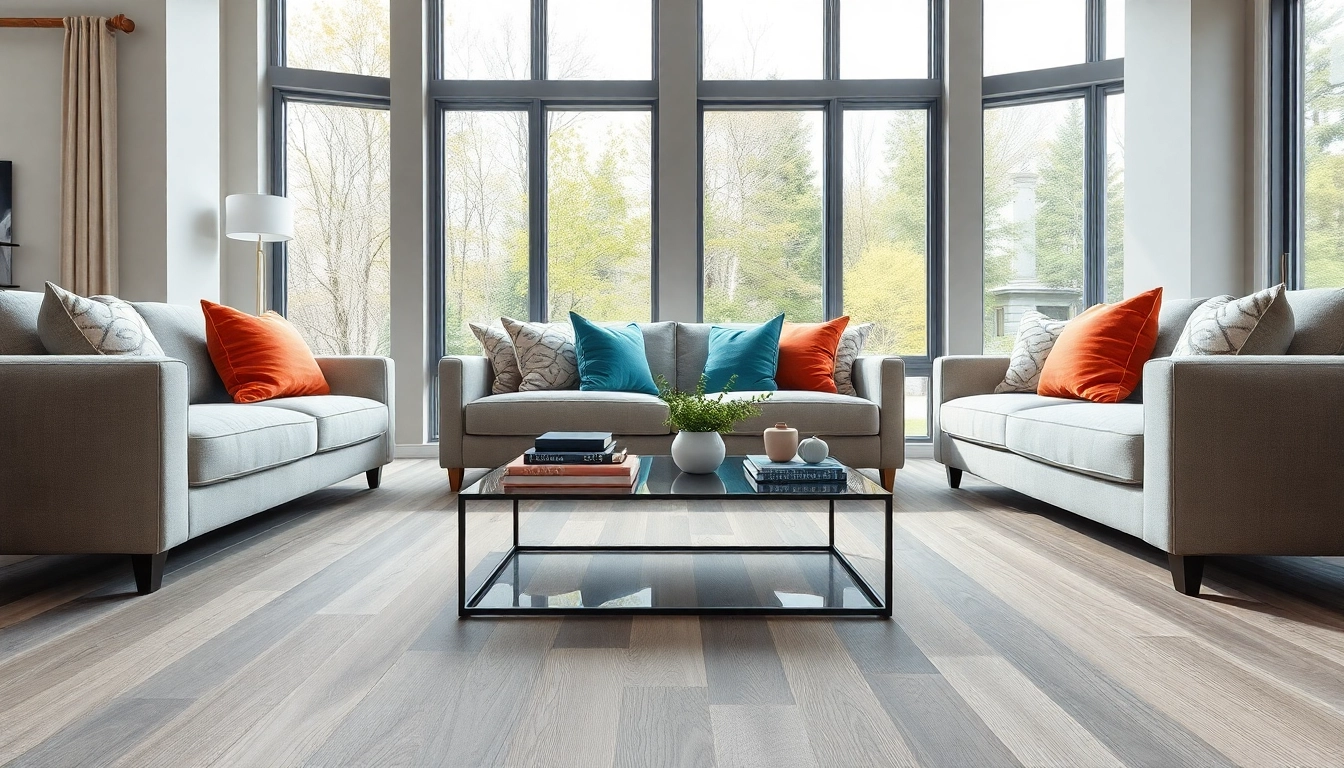
The natural look of Grey Oak provides an elegant backdrop for any room. Its soft, muted tones can complement various color schemes and styles, ranging from rustic to contemporary. Furthermore, the grain patterns mimic natural wood, offering a sophisticated aesthetic without the high maintenance associated with traditional hardwood.
Cost-Effectiveness of Grey Oak LVP
Budget is often a primary concern when selecting flooring. Grey Oak LVP is more affordable than solid hardwood while still delivering a similar appearance. With simple installation processes, potential labor costs can also be minimized, helping homeowners stay within their budget.
Installation Insights for Chicago Flooring
Understanding installation is crucial for achieving the best results with your flooring choice. Chicago’s varied flooring landscape demands specific methods tailored to the material selected.
Preparing Your Subfloor
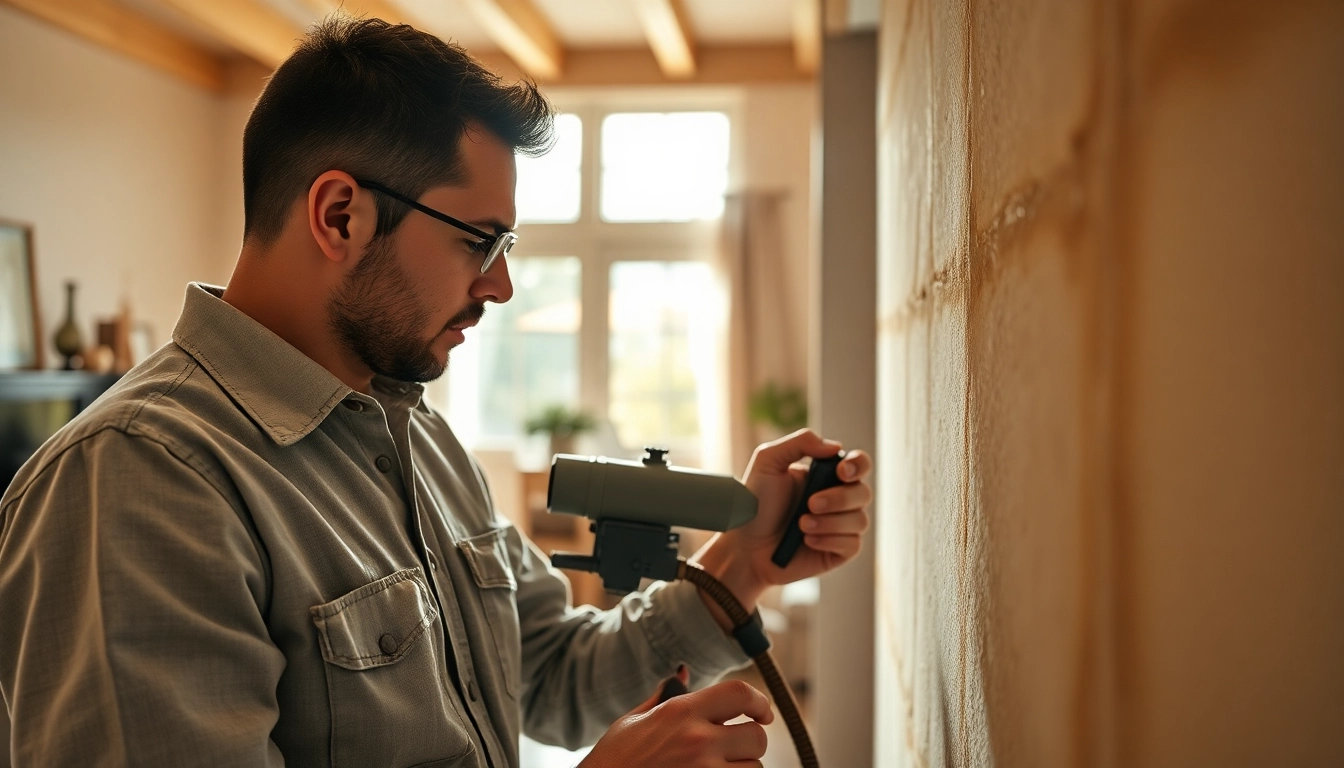
Before installing any flooring, having a properly prepared subfloor is essential. Ensure the subfloor is clean, dry, and level to avoid complications later. Any imperfections in the subfloor can lead to warping or unevenness in your new flooring.
Steps for Professional Installation
Although some homeowners may take the DIY route, hiring a professional can ensure optimal results. Here are the general steps a professional installer would follow:
- Inspect the subfloor for any issues.
- Gather necessary tools and materials for installation.
- Acclimate the flooring in the room for 48 hours.
- Follow the manufacturer’s guidelines for layout and installation.
DIY Installation Tips
For those opting to install Grey Oak LVP themselves, several tips can enhance your experience:
- Read Instructions: Always follow the manufacturer’s installation guide.
- Use Proper Tools: Ensure you have a saw, level, and spacers for an accurate layout.
- Work in Sections: Focus on small areas to manage the installation process effectively.
Designing with Chicago Flooring
The flooring you choose can set the tone for the entire space. Thoughtful design can harmonize flooring with other elements in your home.
Complementary Color Schemes
Grey Oak’s subtle hues make it versatile for various design schemes. Pair it with light linens for a coastal vibe, or use rich jewel tones for a dramatic effect. Neutral wall colors can enhance the aesthetic, allowing the flooring to become a focal point.
Furniture Placement Ideas
Consider the layout of your furniture when designing spaces with LVP flooring. Light, airy arrangements may benefit from an open concept, while cozy clusters can create intimate areas. Ensure that furniture choices align with the flooring’s style to maintain design consistency.
Accessorizing Your Space
Accessories play a crucial role in design continuity. Rugs, cushions, and artwork should complement the flooring, adding depth and personality to the space. For Grey Oak, natural materials like wool and cotton work well, enhancing the organic feel.
FAQs about Chicago Flooring
What are the advantages of LVP flooring?
LVP flooring is durable, waterproof, and easy to maintain. It’s an affordable alternative to natural wood, offering a similar aesthetic with enhanced performance.
How long does LVP flooring last?
With proper care, LVP flooring can last between 15 to 25 years, making it a long-term flooring solution for residential settings.
Is LVP flooring waterproof?
Yes, LVP flooring is designed to be waterproof, making it suitable for areas prone to moisture, such as bathrooms and kitchens.
Can LVP flooring be installed over existing floors?
In many cases, LVP can be installed over existing flooring, given that the surface is level, clean, and dry. This can save time and effort in renovations.
How do I clean and maintain LVP flooring?
Regular sweeping and damp mopping with a mild cleaner are sufficient for maintaining LVP. Avoid harsh chemicals that can damage the surface.